
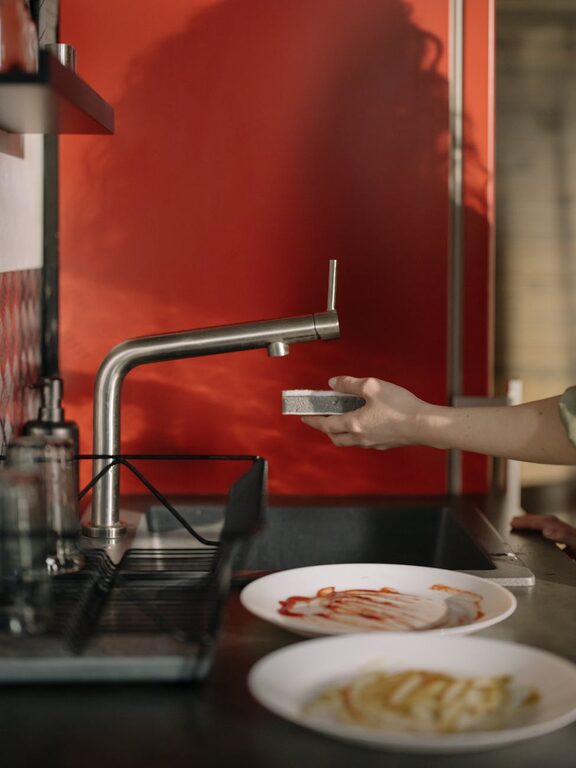
Cleaning up after dinner can often feel like a daunting task, especially after spending time preparing and enjoying a meal. However, with a few smart strategies and small changes to your routine, you can make dinner cleanup much easier and quicker. In this post, we’ll explore practical ideas to simplify your post-dinner chores so you can spend less time scrubbing and more time relaxing.
Plan Ahead for Easy Cleanup
Use Fewer Dishes and Utensils
One of the simplest ways to reduce cleanup is to minimize the number of dishes used during cooking and serving. Try to plan meals that can be made in one or two pots or pans. For example, sheet pan dinners or one-pot pasta recipes limit the stack of dishes at the end of the meal. Using the same bowl for mixing and serving when suitable can also cut down on washing.
Line Pans with Parchment or Foil
When roasting vegetables, baking fish, or cooking any food in the oven, lining the pan with parchment paper or aluminum foil is a big time saver. It prevents food from sticking to the pan, making cleanup fast and easy—often just a quick wipe will do.
Adopt Efficient Cleanup Habits
Clean as You Go
Instead of leaving all dishes to clean after the meal, try washing or rinsing some items during cooking. For example, pots and cutting boards used early in the process can be cleaned while food simmers. This habit reduces the pile of dirty dishes waiting after dinner and spreads out the effort.
Soak Pots and Pans Immediately
After dinner, fill any pots, pans, or baking dishes with warm, soapy water and let them soak. This makes it easier to remove stuck-on food without heavy scrubbing later.
Organize Your Kitchen Space
Keep Cleaning Supplies Handy
Having dish soap, sponges, and towels easily accessible encourages regular cleaning. Consider storing cleaning tools near the sink and dishwasher to make the process seamless.
Use a Dish Rack and Sink Organizer
A neat dish rack helps your dishwasher-dried or hand-washed items dry quicker and keeps counters tidy. Using a sink organizer for sponges and brushes also helps maintain a clutter-free sink area.
Utilize Kitchen Gadgets and Appliances
Dishwasher Use and Loading Tips
If you have a dishwasher, make sure to load it efficiently to fit more dishes and avoid having to hand wash extra items. Scrape leftover food instead of rinsing completely to save water without compromising cleaning quality.
Invest in Non-Stick Cookware
High-quality non-stick pans prevent food from sticking and burning, which dramatically reduces the effort needed during cleanup.
Simplify Table Setting and Serving
Use Easy-to-Clean Tableware
Opt for simple plates and utensils that are dishwasher safe and easy to stack for washing. Avoid delicate or elaborate items that require hand washing and extra care.
Serve Buffet Style or Family Style
Serving food in larger dishes on the table instead of plating individually can cut down dishwashing. Less plating means fewer serving dishes and utensils to clean.
Quick Tips for Faster Cleanup
– Use paper towels or a damp cloth to wipe counters immediately after cooking.
– Empty the trash before and after dinner to avoid unpleasant odors.
– Keep a timer for soaking dishes to remind yourself when it’s time to scrub.
– Consider soaking silverware in warm soapy water to loosen stuck food.
– Encourage family members to participate in cleanup to share the workload.
Conclusion
Making dinner cleanup easier doesn’t require major kitchen renovations or expensive tools—small changes and habits can make a big difference. By planning ahead, organizing your kitchen, and adopting simple cleaning strategies, you can reduce the time and energy spent after meals. Try incorporating some of these ideas in your next dinner routine and enjoy a cleaner kitchen with less hassle. Happy cooking and cleaning!